
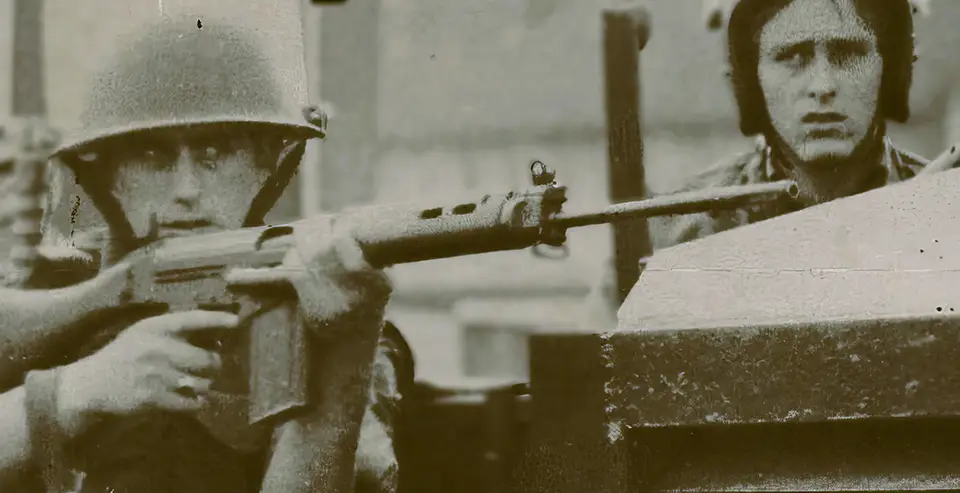
Well, clearly in a way it wasn’t because people on all sides (loyalists, republicans and state) saw no alternative to violence – and their successors justify their violence today. But theoretically could nonviolent action and struggle have provided a way forward? And what about those who at the time were working away peacefully for political and social change?
This discussion, in interview format, will involve two veteran peace and community activists from that time, Felicity McCartney and Niall Fitzduff, who will talk about what they were up to then and how they saw things spiral downwards; also participating will be the coordinator of INNATE (a nonviolence network in Ireland), Rob Fairmichael, to mention the research-proven effectiveness of nonviolent struggle as opposed to violence. The interviewer, Stefania Gualberti, who is originally from outside Northern Ireland will ask the important questions.
Is this all academic in being water under the bridge? As a poster from INNATE says “The past is not water under the bridge – it is water filling a reservoir”. And if there were alternatives to violence in 1969 that people could not see, are those alternatives visible to people, at home or abroad, today? And if not, why not?
Share: